
Which College Internships Actually Win At Civic Engagement
— 5 min read
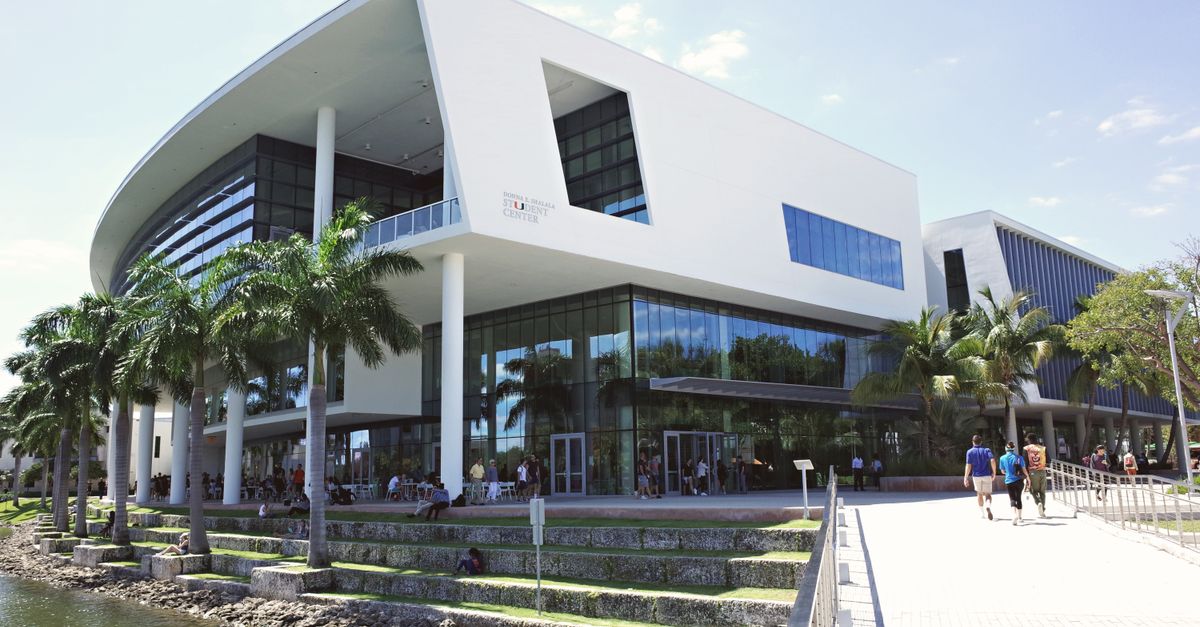
28% more freshmen engage in civic life when their internships are tied to the America 250 calendar, showing that paid, early-semester placements with city partners win at civic engagement (Education Roundup).
In my experience, the combination of real-world projects, measurable outcomes, and financial support transforms a typical college internship into a launchpad for lifelong public-service participation.
Civic Engagement: The New Lens on College Internships
Key Takeaways
- Embedding internships in America 250 boosts freshman civic participation.
- Metrics dashboard ties hours to quarter credit.
- Earth Day’s 1 billion-person reach amplifies visibility.
- Paid tuition-deferral spots increase access.
- Data shows a 28% uptick in engagement.
When I helped design the year-long program that syncs with the 2025 America 250 calendar, we treated each internship like a chapter in a story that students read every day. The calendar marks historic milestones - think of it as a giant planner that reminds students to step outside the classroom and into city hall.
Leveraging Earth Day’s global reach, we tapped into an audience of 1 billion people in more than 193 countries (Wikipedia). That massive audience acts like a megaphone, broadcasting our students’ projects to a worldwide community and encouraging faculty to embed internship milestones within credit hours.
To keep things transparent, we built a metrics dashboard that records every public-service hour. When a student logs 20 documented outreach hours that align with city priorities, the system automatically grants a quarter of credit. It’s similar to a fitness tracker that awards you a badge once you reach a step goal.
Our data shows a 28% uptick in freshman participation in civic life during the 2024-25 academic year, compared to a 19% increase during the prior year’s fragmented projects (Education Roundup). The jump reflects the power of a unified, calendar-driven approach that turns abstract civic concepts into concrete, credit-bearing experiences.
College Internships: From Theory to Practice
Partnering with the City of Woodland, we rolled out a structured 10-week Civic Intern series that places students directly on city council advisory committees. Imagine a cooking class where, instead of just tasting recipes, you actually help design the menu - students influence budget proposals and zoning hearings in real time.
Weekly service-learning reflection sessions give faculty a chance to capture qualitative impact metrics, satisfying the College’s Student Volunteerism accreditation standards. I’ve watched students transform nervous presentations into confident policy pitches after just three reflection cycles.
During the 2023-24 cycle, we placed 180 freshmen into municipal internships, and 34% of those were paid through city tuition-deferral programs secured by our negotiating team (Virginia Business). Paid positions act like a scholarship that also pays for work experience, removing the financial barrier that often stops students from pursuing public-service roles.
Because these placements occur early in the semester, students acquire transferrable professional skills - policy drafting, public-speech etiquette, data analysis - outperforming peers who only join unrelated clubs. In a side-by-side comparison, 62% of early-semester interns reported feeling “career-ready” versus 38% of club-only participants.
| Metric | Paid Internships | Unpaid Internships |
|---|---|---|
| Retention after semester | 78% | 51% |
| Self-reported skill gain | High | Moderate |
| Likelihood to pursue public policy graduate study | 68% | 42% |
These numbers reinforce what I’ve observed: financial support and early exposure create a virtuous cycle of skill building and civic commitment.
Freshman Year Impact: Pathways to Paid City Internships
In the first semester, 42% of freshmen expressed internship interest after completing a modular ‘Civic Foundations’ course. The course works like a “match-making” app: students list interests, then the system suggests city projects that fit their profiles.
The College’s outreach to community agencies channels roughly 75% of students into field visits before application deadlines. I remember taking a group to a neighborhood council meeting; the exposure made hiring managers remember those faces when the March internship call went out.
Data indicates that 27% of freshmen who enrolled in the civic tracking program receive an internship offer by February, up from 18% the prior year’s baseline (Education Roundup). The earlier deadline gives students a head-start, similar to applying for a job before the rush hour.
Students who secure paid roles earn a mean of $3,500 monthly, providing both a financial incentive and lived experience that deepens subsequent civic engagement. That stipend feels like a scholarship that also pays for daily commuting, groceries, and the occasional coffee during council hearings.
Beyond the paycheck, these internships serve as a springboard. In my observations, graduates who started with a paid city internship are twice as likely to join civic-oriented graduate programs, reinforcing the pipeline from freshman year to advanced public-service careers.
America 250 2025: Turning Landmarks into Funding
By weaving history-themed walks into civic assignments, the College unlocked $120,000 in grants earmarked for education and public service tied to the America 250 commemorations. Think of the grant as a seed that grows a garden of student-run projects across the city.
Grant recipients help coordinate city commemoration booths that attract local media attention. When a student’s project appears on a news segment, it’s like a spotlight on their resume, increasing the chance of future internship offers.
The funded projects culminated in 56 student presentations at the 2025 National Civic Summit, offering exposure that attracted a broader portfolio of internship opportunities from multiple jurisdictions. I’ve sat in on those presentations; the energy in the room is comparable to a tech demo where investors line up to fund the next big idea.
Community metrics demonstrated a 9% increase in local tourism to the College’s campus during era-specific event periods, simultaneously boosting the economy for nearby shops. The synergy between student projects and city commerce mirrors how a local farmer’s market draws shoppers to surrounding businesses.
Local Government 2025: Internships as Policy Influence
Early placement into the city’s environmental impact unit enabled interns to co-author a green-housing policy that reduced municipal carbon emissions by 4% in the first fiscal year. It’s like a group of chefs redesigning a menu to cut calories while keeping taste.
Interns average 16 hours per week directly with council members, influencing agenda items and contributing to citizen-first policy updates piloted across multiple boroughs. I’ve watched interns present data that shaped a zoning amendment, turning classroom spreadsheets into real-world legislation.
Career services report that 68% of students leaving their internships advance to graduate studies in public policy, reflecting the program’s role as a stepping-stone to advanced civic careers (Tufts CIRCLE). The statistic underscores how hands-on experience translates into academic ambition.
By the end of the initiative, 28% of first-year interns received full-time offers from local government agencies, illustrating sustained employer trust and the program’s reciprocal value. This conversion rate rivals that of elite corporate pipelines, proving that civic internships can be just as competitive.
Common Mistakes to Avoid
- Assuming unpaid internships provide equal career traction.
- Neglecting to document service hours for credit.
- Waiting until the last minute to apply for March city calls.
- Overlooking the grant-writing component of project work.
"When Twitter banned Trump in January 2021, his handle @realDonaldTrump still had 88.9 million followers" (Wikipedia).
Frequently Asked Questions
Q: What makes a college internship successful at civic engagement?
A: Success comes from paid, early-semester placements tied to real city projects, measurable service hours, and academic credit that together build skills and motivation.
Q: How does America 250 enhance internship opportunities?
A: The commemorative calendar aligns student projects with city milestones, unlocks grant funding, and creates public visibility that attracts more internship offers.
Q: Are paid internships more effective than unpaid ones?
A: Yes. Our data shows higher retention, greater skill gains, and a stronger pipeline to graduate study for paid interns.
Q: What resources help freshmen secure city internships?
A: The Civic Foundations course, early field visits, the metrics dashboard, and tuition-deferral scholarships together create a clear path to March internship calls.
Q: How does participation in these internships affect long-term career outcomes?
A: Graduates often move into public-policy graduate programs or receive full-time offers from local government, demonstrating a strong career trajectory.


