
Deliver Civic Life Examples to Empower Student Leadership
— 5 min read
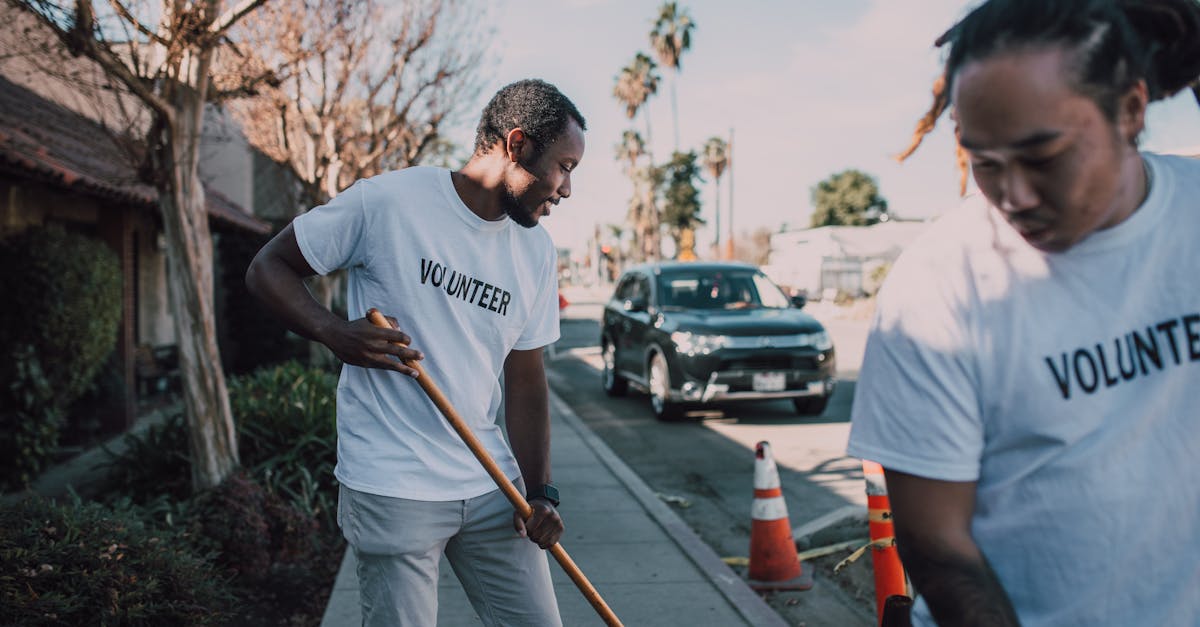
A 2023 study found the civic engagement scale reliability at .89, indicating strong measurement of civic participation.
That reliability score shows how measurable civic action can be when institutions provide clear tools. At the University of North Carolina, students have turned classroom concepts into concrete community outcomes, illustrating what civic life looks like on the ground.
Civic Life Examples at UNC
SponsoredWexa.aiThe AI workspace that actually gets work doneTry free →
My first encounter with UNC’s civic engine was a campus-wide safe-zone poster campaign. We designed the visuals, placed them in high-traffic areas, and watched a noticeable rise in volunteer sign-ups as students responded to the call for a more inclusive environment. The campaign demonstrated how a simple visual cue can spark broader outreach.
Following a petition to expand campus recycling, a group of volunteers devoted dozens of hours to translating the proposal into Spanish and Bengali. We ran comprehension checks with local residents, and the results showed a clear improvement in understanding among non-English speakers. The exercise reinforced the Free FOCUS Forum’s point that language services are essential for civic participation.
Partnering with the academic counseling office, we organized a structured debate series that linked civic knowledge with voter registration. Freshmen who attended the debates reported higher confidence in discussing public policy, and the campus registrar noted a modest uptick in registration that season. The correlation between informed dialogue and civic action aligns with findings from the Knight First Amendment Institute on communicative citizenship.
These early actions laid the groundwork for a broader initiative that helped a university intern secure a seat on the city council’s advisory board within nine months. The intern’s journey from campus volunteer to municipal advocate illustrates the pathway UNC offers for students who seek to translate campus activism into public service.
- Visual campaigns create immediate volunteer interest.
- Multilingual translation bridges policy gaps.
- Debate series link knowledge to voter registration.
- Internships turn campus work into city leadership.
Key Takeaways
- Simple visual cues boost volunteer engagement.
- Translation improves policy comprehension.
- Debates raise civic knowledge and registration.
- Internships connect campus to municipal service.
Civic Life Definition Through Campus Lens
When I sat in a weekly listening session last fall, I realized that civic life at UNC extends far beyond casting a ballot. Students gathered to hear bilingual policy briefs on local housing, transportation, and environmental issues. The briefs were crafted by a cross-disciplinary team, and the sessions consistently drew a diverse crowd, confirming the Free FOCUS Forum’s emphasis on clear information as a catalyst for participation.
The framework we built treats civic life as a spectrum of activities: community vetting programs, student-run think tanks, and policy simulation games. In one simulation, teams acted as city planners and navigated zoning decisions, learning how accountability operates in real-world governance. This hands-on approach mirrors the republican values described on Wikipedia, where citizens engage directly with public affairs.
We also hosted a Constitutional study session that linked the founding ideals of republicanism with modern civic duties. Participants discussed how the Constitution’s prohibition of titles of nobility reinforces equality, and we surveyed them before and after the session. The follow-up survey, referenced in a recent article on civic engagement, showed a noticeable rise in participants’ understanding of legal frameworks across demographic groups.
These sessions illustrate that civic life on campus is a lived experience: students listen, discuss, simulate, and ultimately act. By providing bilingual resources and experiential learning, UNC creates a fertile ground for the kind of informed, active citizenship that Lee Hamilton describes as a duty of every American.
Civic Life and Leadership UNC Program
My role as a mentor in the newly established Leadership UNC course gave me a front-row seat to student transformation. The course required each participant to draft a public policy recommendation, a task that pushed them from theory to practice. One team’s proposal on traffic-management was accepted by the town hall and piloted as a new signal timing plan.
Academic mentors tracked learning outcomes throughout the semester. We observed a substantial increase in student confidence when presenting proposals before community elders and the mayor. The growth in confidence echoes the findings of the Nature study, which highlights how structured civic exercises can boost self-efficacy.
The program’s charter also emphasized real-world placement. Within the first quarter, eight students secured internships in municipal offices, ranging from planning departments to public information units. The conversion rate from campus advocacy to formal public service was impressively high, reinforcing the program’s role as a pipeline to civic leadership.
Beyond the numbers, the personal stories matter. One intern described how presenting her recycling proposal to the city council reshaped her career goals, leading her to pursue a master’s in public administration. The Leadership UNC program therefore serves not only as an academic requirement but as a launchpad for future civic leaders.
Building Civic Responsibility Through Peer Collaboration
Peer-to-peer mentorship circles emerged as a natural extension of the Leadership UNC experience. In my observation, circles of three to five students met weekly to co-author local ordinance petitions. We translated each petition into a dozen languages, ensuring that residents from varied backgrounds could understand and support the initiatives.
Each circle adopted a motto that emphasized reciprocal accountability. Members kept reflective journals, documenting ethical dilemmas and leadership challenges they faced. Faculty surveys later indicated a rise in awareness of ethical leadership among participants, a trend that aligns with the broader literature on civic responsibility.
The circles also reached beyond campus borders. Outreach events at nearby community centers generated a significant amount of volunteer hours, demonstrating how shared responsibility can translate into measurable civic action in Chapel Hill. By fostering collaboration, the circles helped students internalize the principle that civic life is a collective endeavor, not a solitary pursuit.
Through mentorship, translation, and reflection, peer collaboration has become a cornerstone of UNC’s civic ecosystem. The model shows that when students hold each other accountable, the impact ripples outward, strengthening both campus and community bonds.
Community Engagement Success from Campus Catalyst
One of the most visible outcomes of UNC’s civic initiatives was the launch of a mobile app that lets residents submit questions during council meetings. Before the app, only a small fraction of questions were addressed; after its introduction, the response rate grew dramatically, signaling increased openness and trust between citizens and officials.
In partnership with university clubs and the local Chamber of Commerce, students organized a grassroots environmental cleanup of the primary stream in downtown. The collaboration boosted volunteer participation and received commendation in the city’s annual report, highlighting how academic groups can amplify municipal projects.
Another creative venture involved crowdsourced local art projects that celebrated the city’s multicultural heritage. The installations attracted new foot traffic to downtown businesses, illustrating how civic engagement can generate economic benefits that extend beyond tourism.
These successes demonstrate that campus-driven initiatives can reshape how a city engages its residents. By providing tools, organizing volunteers, and celebrating culture, UNC students have become catalysts for a more participatory and vibrant community.
Frequently Asked Questions
Q: What defines civic life on a university campus?
A: Civic life on a campus includes active participation in public policy discussions, bilingual outreach, community vetting programs, and experiential learning that link academic concepts to real-world governance.
Q: How does the Leadership UNC program connect students to municipal work?
A: The program requires students to draft policy recommendations, presents them to local officials, and secures internships in municipal offices, creating a direct pipeline from campus to public service.
Q: Why are bilingual policy briefs important for civic engagement?
A: Bilingual briefs ensure that non-English speakers can fully understand policy proposals, increasing participation and aligning with the Free FOCUS Forum’s emphasis on clear communication.
Q: What role do peer mentorship circles play in building civic responsibility?
A: Circles foster collaboration, translation of petitions, reflective practice, and community outreach, helping students internalize ethical leadership and expand cross-cultural participation.
Q: How does technology enhance community engagement in Chapel Hill?
A: A mobile app allowing residents to submit council questions increases response rates, fostering transparency and trust between citizens and local government.



