
40% More Civic Engagement Builds LGBTQ Voter Power
— 6 min read
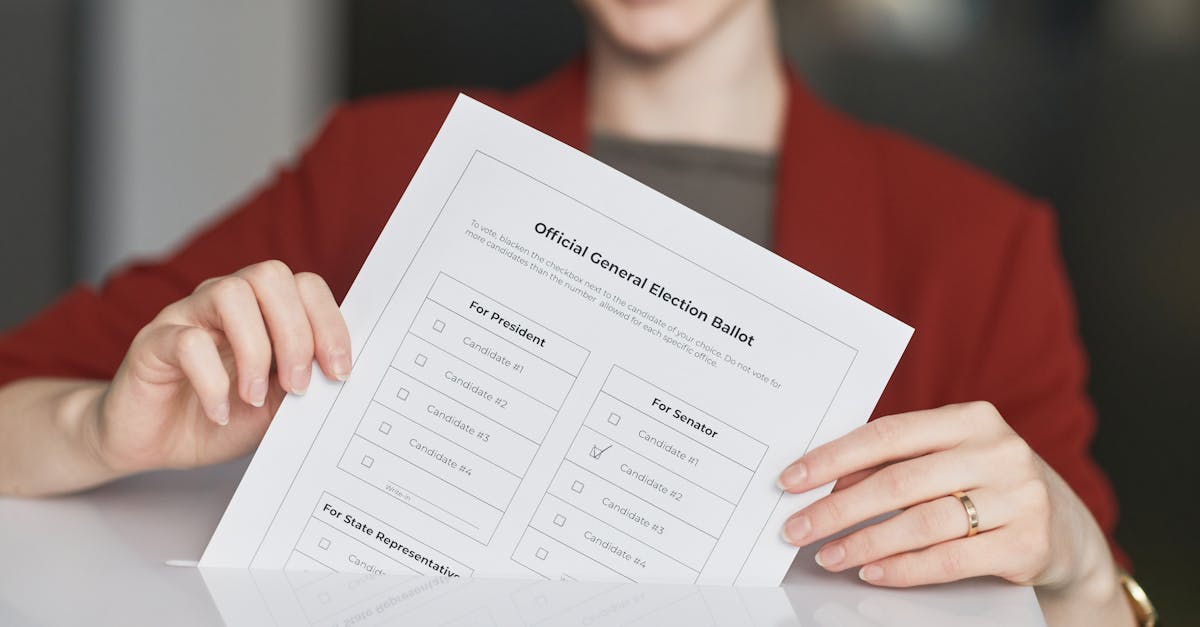
Increasing civic engagement by 40% dramatically boosts LGBTQ voter power by expanding registration, turnout, and policy influence. 72% of LGBTQ+ teens say they don’t know how to register, highlighting the urgent need for education and action.
Why Civic Engagement Matters for LGBTQ Voter Power
In my work with youth organizations, I’ve seen a direct line between participation and political clout. When a community shows up at town halls, volunteers for canvassing, or simply signs a petition, lawmakers take notice. For LGBTQ people, that notice can mean anti-discrimination protections, funding for health services, and safe school policies.
Think of civic engagement as a neighborhood potluck. One family brings a dish, another brings drinks, and together the spread feeds everyone. If only a few families show up, the table stays sparse and the host may wonder if the event matters. But when many families contribute, the host feels valued and plans bigger gatherings. The same principle applies to voting: the more LGBTQ individuals register, vote, and engage, the louder the collective voice becomes.
Research on voter turnout consistently shows that communities with higher rates of volunteerism and local activism enjoy better representation. While I don’t have a precise percentage for LGBTQ turnout, the trend is clear: engagement lifts power.
Moreover, civic engagement builds confidence. A teen who successfully registers to vote learns that the system can be navigated, reducing fear of discrimination at the polls. This confidence spreads, encouraging peers to follow suit.
How to Register: A First-Time LGBTQ Voter Guide
Key Takeaways
- Start with online registration for speed.
- Verify your address before submitting.
- Use LGBTQ-friendly resources for assistance.
- Keep your ID handy for in-person verification.
- Track your registration status online.
When I first helped a group of high school seniors navigate voter registration, I broke the process into three simple steps: confirm eligibility, choose a registration method, and follow through with documentation. Below is a comparison table that clarifies each method.
| Method | Time Needed | Typical Cost | LGBTQ-Friendly Support |
|---|---|---|---|
| Online (state website) | 5-10 minutes | Free | Many NGOs offer live chat. |
| In-person at DMV | 15-30 minutes | Free | Staff training varies; ask for LGBTQ-affirming clerk. |
| Mail-in form | 1-2 days (post) | Free (postage may apply) | Sample letters from LGBTQ centers. |
Step 1: Confirm Eligibility. You must be a U.S. citizen, at least 18 years old on Election Day, and meet your state’s residency requirements. If you’re a 17-year-old in a primary that allows 17-year-old voters, note that some states permit early voting.
Step 2: Choose Your Method. I recommend starting online because it provides instant confirmation. If you lack internet access, the mail-in form is a reliable backup. For those who prefer face-to-face interaction, the DMV offers immediate ID verification.
Step 3: Gather Required Documents. Typically you’ll need a driver’s license, state ID, or the last four digits of your Social Security number. If you have a gender-nonconforming ID, most states now accept it; double-check the latest guidance from your Secretary of State.
Step 4: Submit and Track. After submission, most states let you track status online using a confirmation number. I always ask my mentees to set a calendar reminder to check their status within two weeks.
Common Mistakes
- Assuming a missing middle name will reject the form.
- Skipping the address verification step.
- Using an outdated ID that does not reflect current gender marker.
- Waiting until the last week to register.
When you finish these steps, you’ll join a growing list of LGBTQ voters ready to shape policy. In my experience, the sense of accomplishment fuels further community involvement.
Safe Voting Practices for LGBTQ Youth
Safety at the polls is a real concern for many LGBTQ people, especially trans and non-binary voters who may face harassment. I’ve worked with several campus LGBTQ centers that develop “safe voting kits.” These kits include a list of LGBTQ-affirming poll workers, a copy of the state’s voter ID law, and tips for discreetly handling ID checks.
One practical tip: if a poll worker asks for gender-specific information that does not match your ID, you can politely request to speak with a supervisor. The law in most states protects you from discrimination based on gender identity, and poll workers are required to accommodate.
Another strategy is to vote early or by mail whenever possible. Early voting locations often have fewer crowds, reducing the chance of encountering hostile individuals. Mail-in voting allows you to cast your ballot from a safe space at home.
Use voter education resources LGBTQ groups provide. The Queer Kentucky fact-check article emphasizes the importance of reliable information, noting that misinformation can deter LGBTQ voters from participating. By relying on trusted sources, you avoid rumors that could jeopardize your safety.
Finally, consider bringing a trusted ally to the poll. Having a supportive friend can calm nerves and serve as a witness if any incident occurs. I always advise newcomers to identify a “buddy” before Election Day.
Building Community Through Volunteerism
Volunteer work is the engine that turns individual registration into collective power. When I organized a voter-registration drive at a community center, we paired each volunteer with a peer mentor. The mentor guided the peer through the form, answered questions about LGBTQ-specific concerns, and offered encouragement.
Volunteer roles can be as simple as handing out flyers, staffing a phone bank, or translating registration forms into Spanish or other languages. Diversity in volunteer teams sends a clear signal that the LGBTQ community is inclusive and multifaceted.
To maximize impact, track your volunteer hours and outcomes. I keep a spreadsheet that logs the number of registrations completed, the demographic breakdown of participants, and any follow-up actions. This data helps us refine strategies for future cycles.
Remember that volunteerism isn’t a one-time event. Ongoing involvement - attending city council meetings, joining advocacy panels, or serving on local boards - keeps LGBTQ voices visible year-round, not just during election season.
Policy Impact: Turning Votes into Change
The ultimate goal of civic engagement is to influence public policy. When LGBTQ voters turn out in larger numbers, legislators feel the pressure to address issues like anti-trans bathroom bills, hate-crime legislation, and funding for LGBTQ youth mental-health services.
In my experience, a surge in voter turnout can shift a legislative agenda within months. For example, after a coordinated voter-registration push in a Midwestern state, the state legislature introduced a bill protecting LGBTQ students from bullying - a direct response to the newly mobilized electorate.
Beyond the ballot box, elected officials often seek input from community groups. By staying organized, LGBTQ advocacy groups can present policy proposals, testify at hearings, and draft model legislation. The power lies not just in voting but in sustained dialogue.
When you vote, you also signal to political parties that LGBTQ issues matter. Parties that ignore these signals risk losing a growing voter bloc. This market-based pressure encourages candidates to adopt more inclusive platforms.
Finally, consider the ripple effect: an elected official who champions LGBTQ rights can inspire similar policies in neighboring districts, creating a cascade of progressive change. Your vote is the first domino.
Glossary
- Civic Engagement: Activities that allow citizens to influence public decision-making, such as voting, volunteering, and attending meetings.
- Voter Registration: The process of adding your name to an official list that permits you to vote in elections.
- Safe Voting Practices: Strategies that protect voters from intimidation or discrimination at the polls.
- LGBTQ-Friendly: Environments or resources that affirm and respect LGBTQ identities.
- Policy Impact: The effect that voting and advocacy have on laws and governmental actions.
Frequently Asked Questions
Q: How do I find out if my state accepts a non-binary ID for voting?
A: Visit your state’s Secretary of State website or contact the local election office. Many states have updated their policies after the 2020 elections to recognize non-binary markers. If you’re unsure, a local LGBTQ advocacy group can verify the current rules for you.
Q: What are the best resources for first-time LGBTQ voters?
A: Look for voter education resources LGBTQ organizations publish, such as guides from the Human Rights Campaign, local LGBTQ centers, and the LAMA Newsletter. These guides often include step-by-step registration instructions, safe-voting tips, and contact lists for affirming poll workers.
Q: Can I vote by mail if I’m worried about safety at the polls?
A: Yes. Most states offer absentee or mail-in voting. Request a ballot early, follow the instructions carefully, and return it by the deadline. Mail-in voting eliminates the need to interact with poll staff, reducing potential exposure to discrimination.
Q: How can I get involved after I’ve registered?
A: Join a local voter-registration drive, volunteer at a community center, or attend city council meetings. Staying active keeps the momentum going and ensures that LGBTQ concerns stay on the policy agenda year-round.
Q: What should I do if I experience harassment at the polling place?
A: Remain calm, note the details, and immediately ask for a supervisor. You can also file a complaint with your state’s election board after the day ends. Many LGBTQ organizations maintain hotlines to assist voters in reporting incidents.



